

History · Essay · The Weekly, No. 5
Genocide in Rwanda: An International Failure
The extent of the Rwandan Genocide was largely due to foreign failings in preventing the scale of the violence. To what extent is this true?
Brad Turland · Adelaide University · 5 September 2026
Adelaide University · 5 September 2026
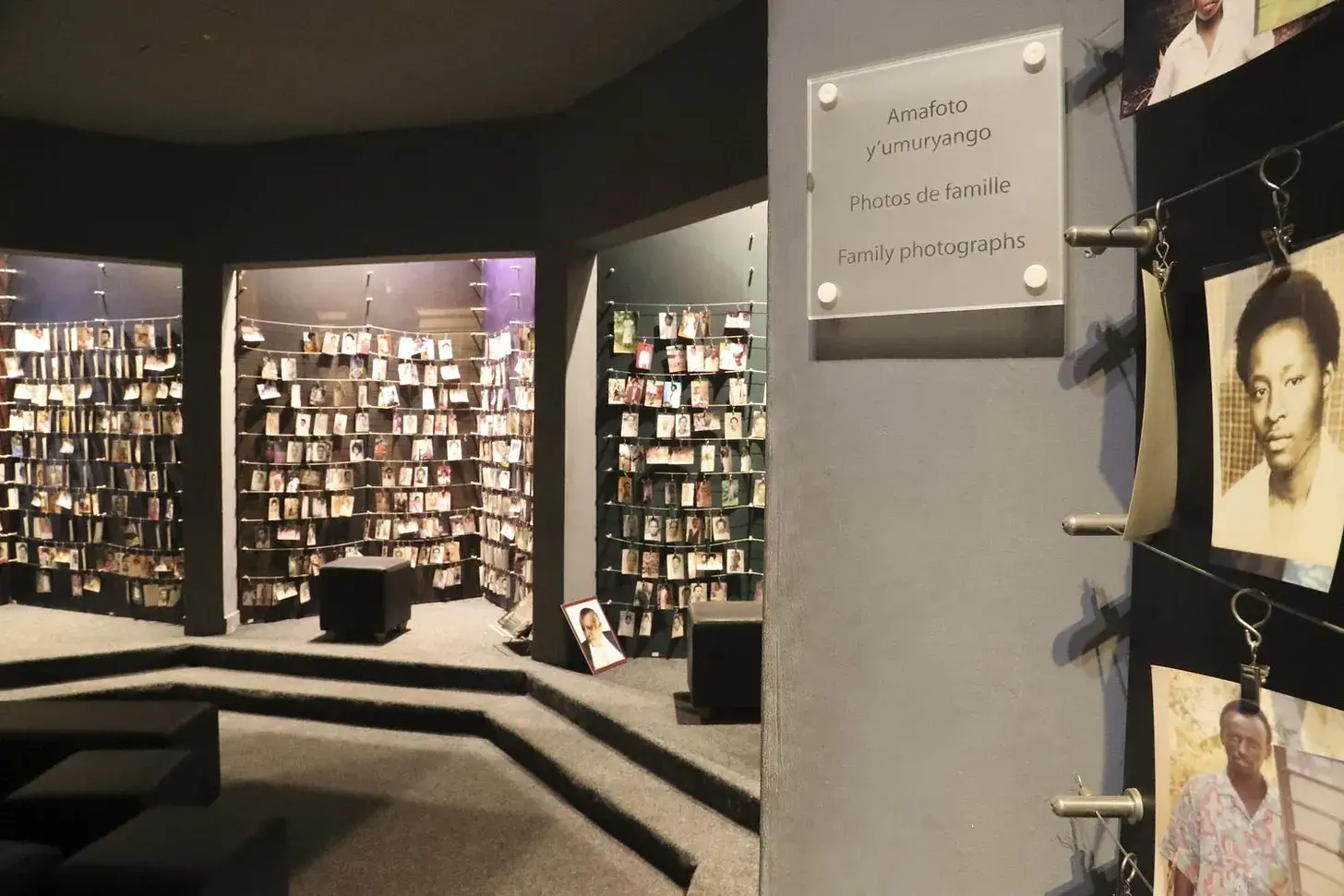
The Rwandan Genocide has been described as “one of the most horrific periods in humanity”, taking place in just 100 days from April to July 1994, with a rate of killing three times that of the Holocaust. Whilst estimates vary, between 800,000 and over 1,000,000 people were killed, and an estimated 150,000 to 250,000 women were raped. 10% of the population, or 85% of Tutsis, were killed, and “half of the population was either internally displaced or had fled the country”. Conceived by extremist portions of Rwanda’s majority Hutu population, most of the perpetrators of the genocide were Hutus, with most of the dead Tutsis. With a culmination of factors leading up to the genocide, it began after the death of Rwandan President Juvénal Habyarimana, whose plane was shot down over the capital, Kigali; massacres began within half an hour.
Whilst significant ethnic tensions were ultimately the core issue of the genocide, it has widely been regarded as an area of foreign policy failure by many, particularly the US, UN, France, and Belgium. Many have noted logistical failures that resulted in failure to implement effective interventions that could have feasibly reduced the violence, whilst moral and political failures by foreign leaders have also been blamed for the scale; it was “by no means inevitable”.
Whilst not only possible, preventing the genocide was a moral and political requirement of international powers. The United Nations Convention on the Prevention and Punishment of the Crime of Genocide (or Genocide Convention) obligated signatories to act, to “Prevent and Punish” genocide. Many foreign leaders have spoken in regret of their failures in Rwanda, confirming and admitting their responsibility in the genocide.
Thus, it can be agreed to a large extent that, whilst internal tensions were significant causes of the genocide, the extent of it was largely due to foreign failings in preventing the scale of the violence.
Background, the Role of Internal Ethnic Tensions, and Propaganda
Whilst foreign failures are largely to blame in preventing the scale of the violence, the impact of internal ethnic tensions must not be understated. By 1994, Rwanda’s approximately 7 million large population was composed of three ethnic groups - Hutu (roughly 85%), Tutsi (14%), and Twa (1%). Despite their majority position, Hutu typically belonged to weaker economic sections of society, whilst Tutsi possession of cattle lent higher status. This divide was heightened with Belgian takeover after WW1 (after previously being a German colony); Tutsi higher social status was favoured, as well as their perceptions of Tutsi build as “genetically more similar to white Europeans than the shorter, stockier Hutu”. As such, they were favoured in the colonial government, and thus growing resentment occurred among Hutu. With the end of colonial rule in the 1960s, Hutus carried out slaughters and burnings of homes, displacing thousands, to establish a Hutu government. “During the first decade of Independence, there were repeated Tutsi attempts to overthrow the Hutu government… [leading] to greater slaughter of the Tutsi population”, and eventually, the Rwandan Patriotic Front (RPF) was established. RPF attacks against the Hutu government plunged Rwanda into civil war in 1990-93. Ceasefires were attempted by the Organization for African Unity, but were generally ineffective, until finally a power sharing agreement known as the Arusha Accords was reached in August 1993, in Arusha, Tanzania. To support this, the United Nations Assisted Mission in Rwanda (UNAMIR) was established. However, UNAMIR was limited by its mandate, not enabled to use force in its peacekeeping, and on April 6, 1994, the day after UNAMIR’s mandate was renewed, the assassination of President Habyarimana resulted in the almost immediate massacres of Tutsi, moderate Hutu, or “anyone [else] who opposed those genocidal intentions”. Whilst propaganda was rampant during the genocide, encouraging violence, the widespread involvement of an estimated 200,000 Hutu in the genocide demonstrates the strength of these ethnic tensions; such that these tensions were experienced by everyday individuals, and were not merely an overarching political dispute among elites; “Though the genocide was planned by the ‘Hutu Power’ Government and executed by the military and armed militia groups, a large number of civilians were actively involved in the atrocities”. Clearly, this issue of popular participation is an incredibly complex one. Many have argued that propaganda and governmental pressures/construction of attitudes were the major cause of this - indeed, the “United Nations International Criminal Tribunal for Rwanda (ICTR) found two radio journalists and a print journalist guilty of inciting genocide” - but, as political scientist Scott Straus acknowledges in his analysis of this claim: “‘If my hypothesis is correct that . . . social pressure and coercion played an important role, then why were there not more genocide perpetrators?’’. Furthermore, another Straus study “casts doubt on the conventional wisdom that RTLM [Radio-Télévision Libre Milles Collines] broadcasts were directly responsible for the onset of violence throughout the country and for most mass mobilization during the genocide”. He does not fully rule out the impact of this type of propaganda, hypothesising that it had a “marginal but real impact on the outcome”, but argues that this was not “the principal vector by which the genocide spread and by which most ordinary Rwandans chose to participate in genocidal violence”. Ultimately, whilst understanding the complex causes of civilian involvement is important, for the purpose of this study it is sufficient to simply acknowledge this involvement. Rather, recognition of Hutu/Tutsi tensions and the widespread civilian participation is adequate for the central focus on the involvement of foreign powers and the extent of the genocide; this evidence highlights that, even as arguments about international failures can be made, the role of internal factors must not be ignored in evaluating the extent of the genocide.\
Logistical Foreign Failings, and Their Moral/Political Causes
Whilst ethnic tensions played significant role in the beginning and outworking of the violence, “[t]he Rwandan genocide against the Tutsi was not inevitable”, and the extent of it could have been prevented if not for foreign failings. Before the killings even began, “dozens” of warnings were received by varying international authorities in the lead up to the genocide, but these authorites failed to act effectively, and “[e]ven worse, foreign leaders reacted timidly and tardily once the killing began”. Military experts have argued that a small force with a “robust mandate” could have intervened significantly, whilst UNAMIR commander Roméo Dallaire requested only 5,000 troops to stop the genocide. Boutros Boutros-Ghali, UN Secretary General at the time, even “affirmed his belief in November 1994 that as few as 400 troops could have “saved the situation””, due to how poorly armed and trained the killers were. Had “quick [and] decisive action” been taken, the in Kigali may have been isolated, so as to avoid spreading it to the countryside, but this was not done, and the previously stated military possibilities were not outworked. Instead, “essentially after the Tutsi genocide was over”, a unilateral French force, ‘Operation Turquoise’ was provided. Sourced with 2,500 soldiers, armored carriers, helicopters and fighter planes, “this seemed to be the type of offensive force envisioned by Dallaire”, and it did save some lives. However, these were mostly fleeing Hutus, many of whom had planned and/or perpetrated the genocide; it “didn’t have the mandate to actively stop the genocide”. A “more aggressive UN force” - armed units with a stronger mandate - could have been sent to “halt the killings… [which] may very well have stopped or slowed the genocide before it reached its peak frenzy”. This demonstrable potential to intervene, and inaction and failure to do so highlights that failures of the international community are significantly to blame for the scale of the Genocide.
According to Dorn and Matloff, the “simple answer” to the question of what prevented the international community from effective intervention “is a lack of political will”. They argue that “[t]hree things were needed [for prevention]: an intelligence capability … preventive measures … and the political will to make use of these two”, and that whilst the first two were inadequate at that current level, they could have been developed, with various interventions such as that which is previously discussed, had there been greater willingness to do so. This lack of political will has since been widely regarded as a moral failure by international governing bodies.
Researcher Alison Des Forges states bluntly that “the Americans were interested in saving money, the Belgians … in saving face, and the French … in saving their ally, the genocidal government”. Of course, this is of greater nuance. Firstly, US hesitancy, as the “leading and dominant member of the UN”, impacted other nations. The failed peacekeeping efforts in Somalia the previous year prompted “Washington officials [to develop] a new, less friendly approach to UN peacekeeping”, which was enacted in Bill Clinton’s executive order Presidential Decision Directive 25 (PDD-25). This order reformed US standards for peacekeeping operations, limiting their involvement, stating that “The U.S. cannot be the world’s policeman”. However, this came at the “worst possible time for any progressive peacekeeping actions in Rwanda” - April 1994, and without US leadership, no nation was willing to take their place. Furthermore, Belgium “lobbied for a cowardly withdrawal of the entire peacekeeping mission”, after the killing of Belgian UN personnel, and France “was not politically disposed to prevent this genocide”, due to “long-standing links to the genocidal Hutu [government] regime”. Additionally, the UN “image … of dedicat[ion] to promoting international peace” could have been placed under threat by a more aggressive mandate as would have been required (and as was requested by Roméo Dallaire), due to the necessity of inflicting casualties to stop the genocide. Due to these factors, excuses were made; leaders hid behind refusal to call genocide by name, and legitimized the genocidal government, which used this to “buttress their authority at home and … to cover the genocide with a cloak of legality”. Ultimately, as Dallaire has stated, foreign interventions “could have actually saved hundreds of thousands…[but] nobody was interested”; this lack of political will to enact very plausibly effective measures to prevent genocide played a major role in the extent of the Rwandan Genocide.
Evidence from the Political Aftermath of the Genocide and Broader Genocide Narratives
The political aftermath of the Rwandan Genocide further highlights the failures of the international community to prevent it. The overwhelming response to the Holocaust, reflected in the previously stated UN Genocide Convention, was that “Never again” would the world allow genocide, and yet despite that, this and others have been committed since. Political admissions of failure and rhetoric in commemorations of the Rwandan genocide corroborate previously discussed logistical evidence that shows the fault of the international community in its scale. Various international leaders have taken significant responsibility for the genocide; UN Secretary-General Boutros Boutros-Ghali described it as a “bitter failure” of “not only … the United Nations, but … the international community as a whole”, and stated that “We are all responsible for this failure, whoever we may be - international organizations, the great Powers and non-governmental organizations, as well as the African countries themselves.” Bill Clinton also acknowledged his “regret” in failing to act, whilst French and Belgian leaders have also apologised and acknowledged fault. These admissions are not merely commemorations, but rather retrospective evidence of the international community’s own recognition of its failure. The fact that even leaders of international organizations or nations publicly conceded their blame - even to their political detriment, where they may have more easily defended their actions - reinforces the claim that foreign failures were decisive.
Conclusion
The Rwandan Genocide was a tragedy at best, and a preventable, but ignored atrocity at worst. The longstanding tensions between ethnic groups, exacerbated by colonial rule, and weaponised by propaganda and government caused a level of division and began the violence, whilst international failures in prevention ultimately must be principally acknowledged when evaluating the causes of the scale of the genocide. Whilst logistically possible, lack of political will to act resulted in the spread of potentially low-level violence isolated to Kigali, to genocidal proportions. This has not been dismissed, and the taking of responsibility by foreign powers has demonstrated and corroborated this evidence. Based upon all this evidence, the proposition that the extent of the Rwandan Genocide was largely due to foreign failings in preventing the scale of the violence can be agreed with to a large extent. Ultimately, this should provide evidence for the importance of political will in preventing anything like this from reoccurring. May the same kind of regret that is felt by many never need be felt again.
This piece was originally published on Substack: relentlessdignity.substack.com/p/genocide-in-rwanda-historical-analysis
Bibliography
BBC News (2019) ‘Rwanda genocide: 100 days of slaughter’, accessed 19 October 2025. https://www.bbc.com/news/world-africa-26875506
Braeckman, C. (2021). Belgium’s role in Rwandan genocide. Le Monde diplomatique. https://mondediplo.com/2021/06/11rwanda.
Cain K, Postlewait H & Thomson A (2006) Emergency Sex (And Other Desperate Measures) True Stories from a War Zone, Penguin Books.
Chozick, A. (2012). In Africa, Bill Clinton Toils for a Charitable Legacy. New York Times. https://www.nytimes.com/2012/09/05/us/politics/in-africa-bill-clinton-works-to-leave-a-charitable-legacy.html#.
Clinton, W. J. (1994). Presidential Decision Directive 25: U.S. Policy on Reforming Multilateral Peace Operations. The White House. https://fas.org/irp/offdocs/pdd25.htm
Dorn AW and Matloff J (2000) ‘Preventing the Bloodbath: Could the UN have Predicted and Prevented the Rwandan Genocide?’, Centre For Digital Scholarship, 20.
Encyclopedia Britannica (2025) Rwanda genocide of 1994, accessed 19 October 2025. https://www.britannica.com/event/Rwanda-genocide-of-1994
Human Rights Watch (2023) Propaganda and Practice, accessed 19 October 2025. https://www.hrw.org/reports/1999/rwanda/Geno1-3-10.htm
Lower M and Hauschildt T (2014) The Media as a Tool of War: Propaganda in the Rwandan Genocide, Human Security Centre, accessed 19 October 2025. https://www.hscentre.org/sub-saharan-africa/media-tool-war-propaganda-rwandan-genocide/
OHCHR. (2018). Genocide: ‘Never again’ has become ‘time and again’. https://www.ohchr.org/en/stories/2018/09/genocide-never-again-has-become-time-and-again.
Parameswaran S (2024) Preventing or stopping the genocide: What was the main diplomatic failure in Rwanda?, Modern Diplomacy, accessed 19 October 2025. https://moderndiplomacy.eu/2024/04/12/preventing-or-stopping-the-genocide-what-was-the-main-diplomatic-failure-in-rwanda/
Russell D (2019) Commemoration, Surf Survivors Fund, accessed 23 October 2025. https://survivors-fund.org.uk/news/commemoration-schimmel/
Rwandan Genocide Could Have Been Stopped. Comprehensive Study Points Finger at U.S., U.N., France, Belgium (1999), Human Rights Watch, accessed 19 October 2025. https://www.hrw.org/news/1999/03/31/rwandan-genocide-could-have-been-stopped
Shiffman, K. (2008). As genocide raged, general’s pleas for help ignored, CNN. https://edition.cnn.com/2008/WORLD/africa/11/13/sbm.dallaire.profile/.
Straus S (2006) The Order of Genocide: Race, Power, and War in Rwanda, Cornell University Press via Waldorf L (2007) ‘Ordinariness and Orders: Explaining Popular Participation in the Rwandan Genocide’, Genocide Studies and Prevention: An International Journal, 2(3):267-270.
Straus S (2007) ‘What Is the Relationship between Hate Radio and Violence? Rethinking Rwanda’s “Radio Machete”’, Politics and Society, 35(4):609-637.
United Nations, “Blue Book” Series, Volume X, The United Nations and Rwanda, 1993- 1996, p. 52.
United Nations (n.d.) Rwanda: A Brief History of the Country, Outreach Programme on the 1994 Genocide against the Tutsi in Rwanda and the United Nations, accessed 19 October 2025. https://www.un.org/en/preventgenocide/rwanda/historical-background.shtml
UN News (2023) INTERVIEW: How hate speech triggered genocide against the Tutsi in Rwanda, United Nations, accessed 19 October 2025. https://news.un.org/en/story/2023/04/1135902
UN News. (2025). UN reflects on the 1994 genocide against the Tutsi in Rwanda. https://news.un.org/en/story/2025/04/1161961

The author
Philosophy, Politics, and Economics student, musician, and founder working on early-stage non-profit initiatives through the "Ambrose Institute".
All work by this author →Read next, in History
- Wait for Me, I'm Gone! Alexandra Jane Patterson
- The Illusion of Reform: How U.S. Presidents from Harding to Roosevelt Shaped — and Dodged — Federal Responsibility, 1921–1941 Alexandra Baily
- Discovering Setsu Koizumi: The Muse “Behind” Lafcadio Hearn Nicholas Parlitsis