The Weekly · Issue No. 11 · Sunday, 18 October 2026
Issue No. 11
This week’s issue moves between the living and the dead. Alexandra Jane Patterson traces the long history of trying to speak to the dead, from Odysseus at his trench of blood to Tolkien’s Necromancer, and finds grief at the root of it. Aaron Sun’s poem takes up Kierkegaard’s knight of faith, who gives everything up and trusts he will have it back. Anthony Kleem mourns the warriors of Orkney who rode to Orphir and did not return.
The two other essays turn to how we use the past and how it shapes us. Jacob Powell argues that the “Thucydides Trap”, the analogy behind so much talk of a coming US–China war, misreads both the ancient historian and the modern world. And Joyce and Bennett meet over education: what school makes of us, and what it costs to resist it.
The Winter Quarterly, our first issue in print, now has seven pieces accepted. Submissions close on 31 October: theastyanax.com/submit.
Hector Hallett, Founder & Editor-in-Chief
Politics · Essay
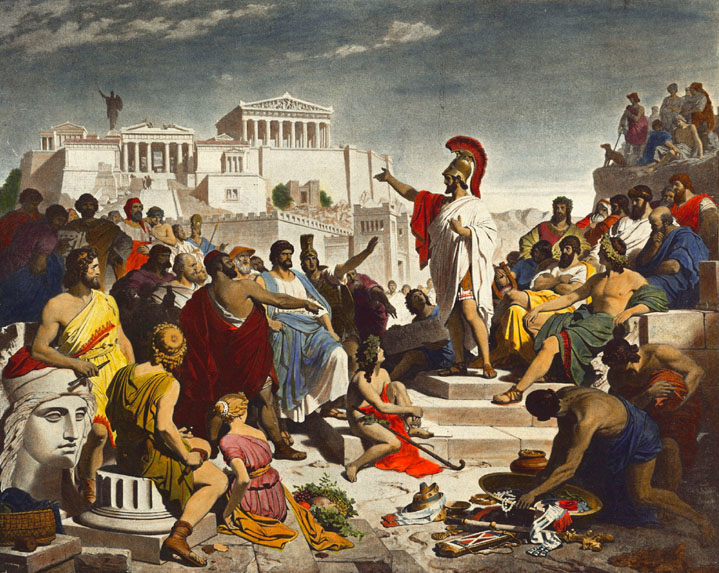
“Thucydides’ Trap”: Decontextualising History to Justify IR Theory in US–China RelationsThe US–China debate rests on a selective reading of ancient Greek history. This essay unpicks the analogy at the heart of it.
Jacob Powell
History · Essay
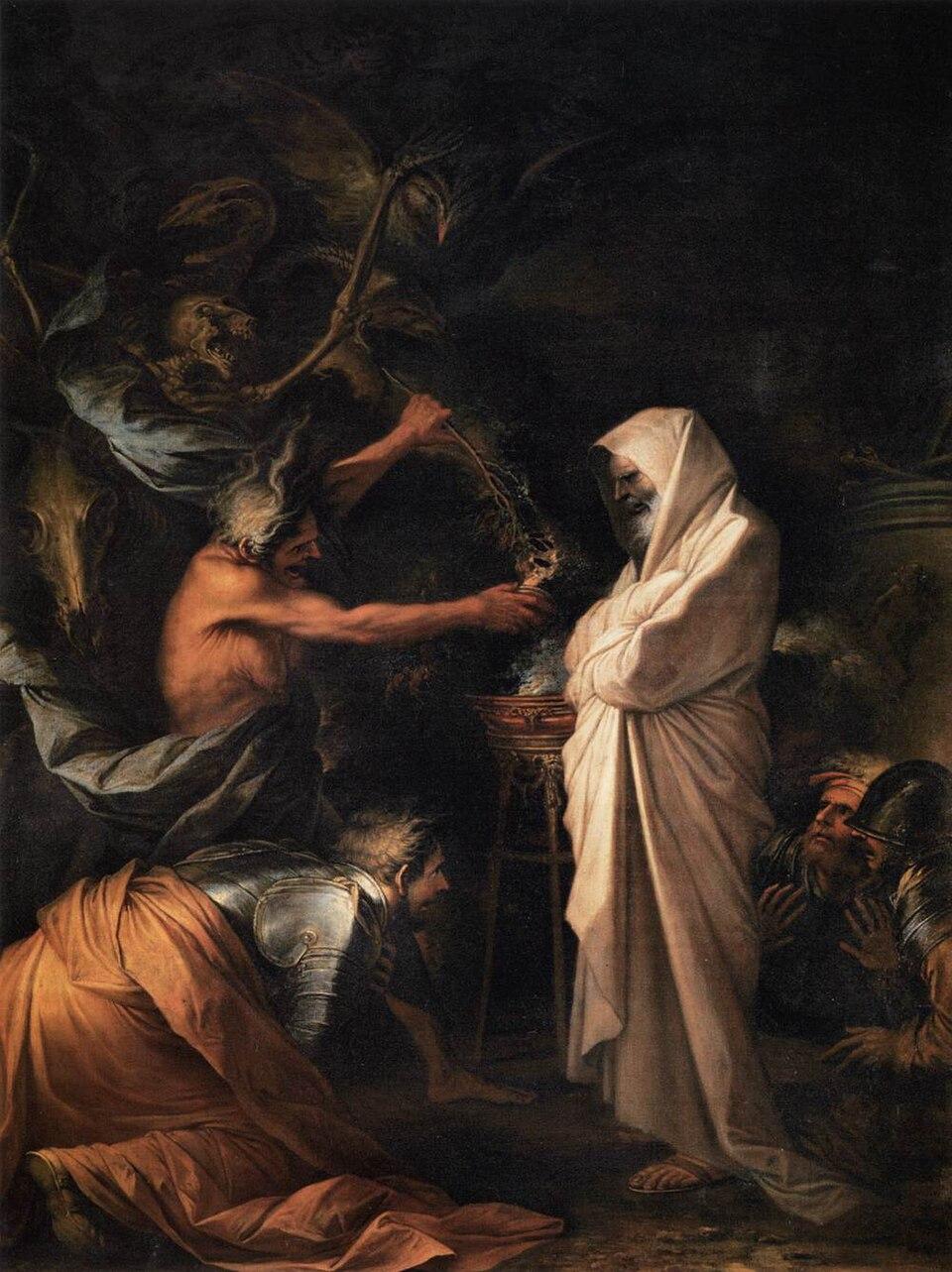
Wait for Me, I'm Gone!Why we have always tried to raise the dead, from Homer’s underworld to Tolkien’s Necromancer, and what that says about grief.
Alexandra Jane Patterson
Literature · Poetry
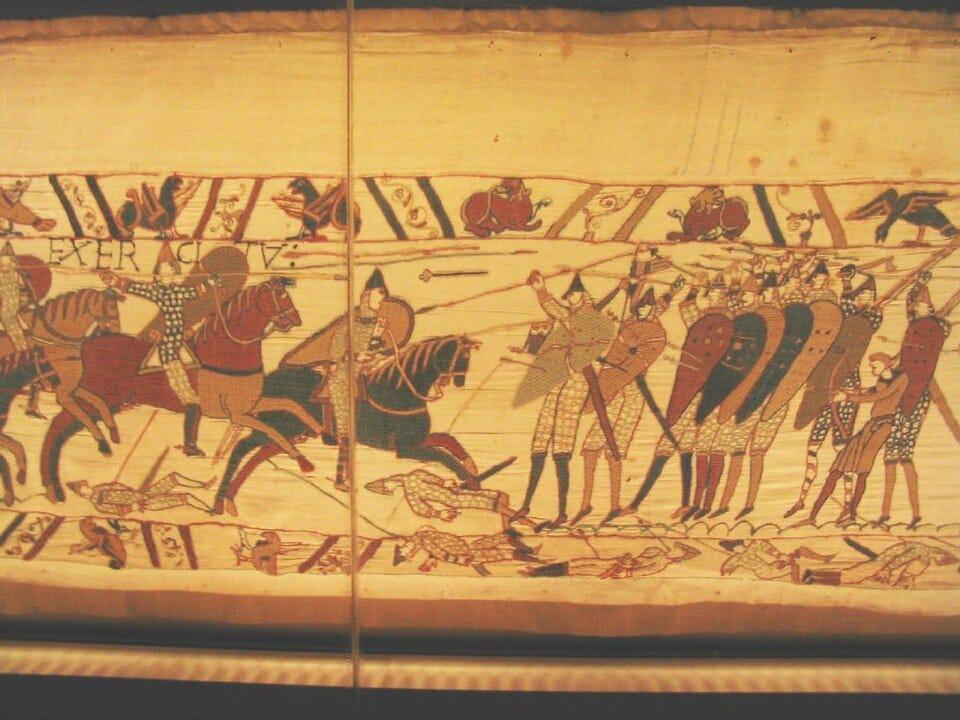
The Battle of Orphir: An ElegySeventy-two warriors on their battle-beds, named one by one. An elegy in the old Welsh manner for a battle fought at the edge of the north.
Anthony J Kleem
Philosophy · Poetry
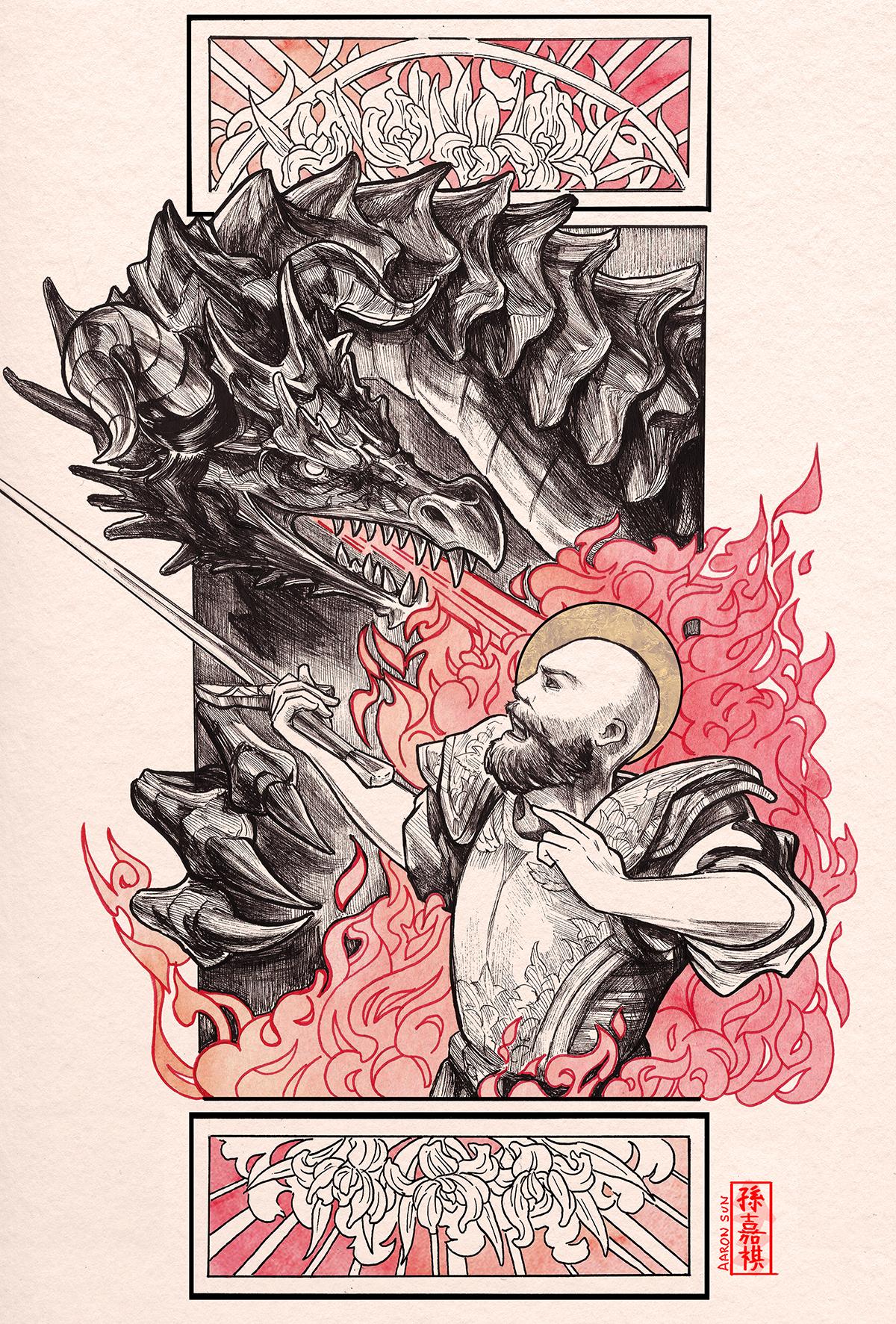
The Knight of FaithKierkegaard's knight of faith keeps silent. This poem refuses to: faith as Abraham's sweat, Hannah's muttered prayer, and a fist raised to a hidden face.
Aaron Sun
Literature · Essay
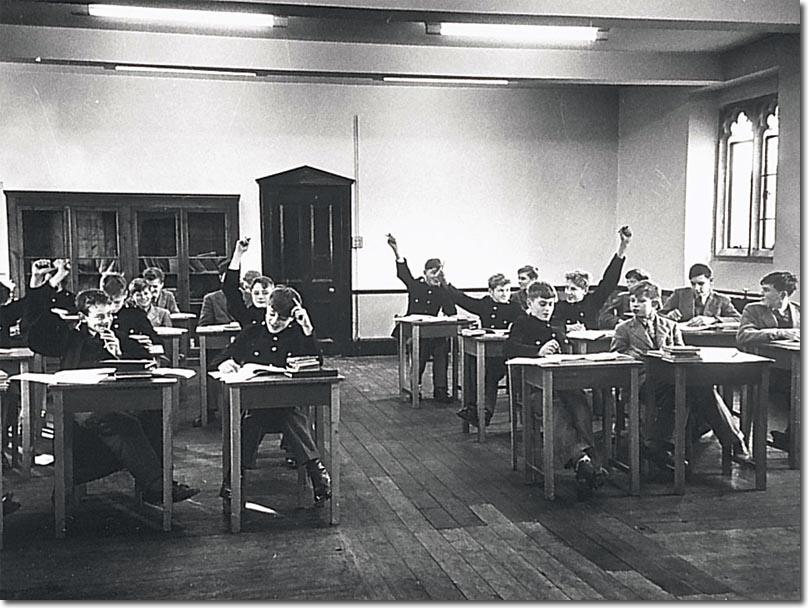
Conformity and Rebellion: Joyce and Bennett on Education and IdentityHow A Portrait of the Artist as a Young Man and The History Boys stage the conflict between institutional authority and the self.
Hector Hallett