

The Weekly · Issue No. 10 · Sunday, 11 October 2026
Issue No. 10
Five pieces this week.
Two on money in the ancient world: a poet who scorned verse for hire while living on gifts, and a Pompeian woman who let out her baths, shops and rooms under her own name.
Two on how God looks at us: a regime that makes him the guard tower, and a lion who comes down to stand among the other creatures.
And a poem from the beginning of English verse: a cowherd at Whitby who could not sing until he was told to.
Submissions for our first print issue, The Astyanax Quarterly, close on 31 October, three weeks from today.
Hector Hallett, Founder & Editor-in-Chief
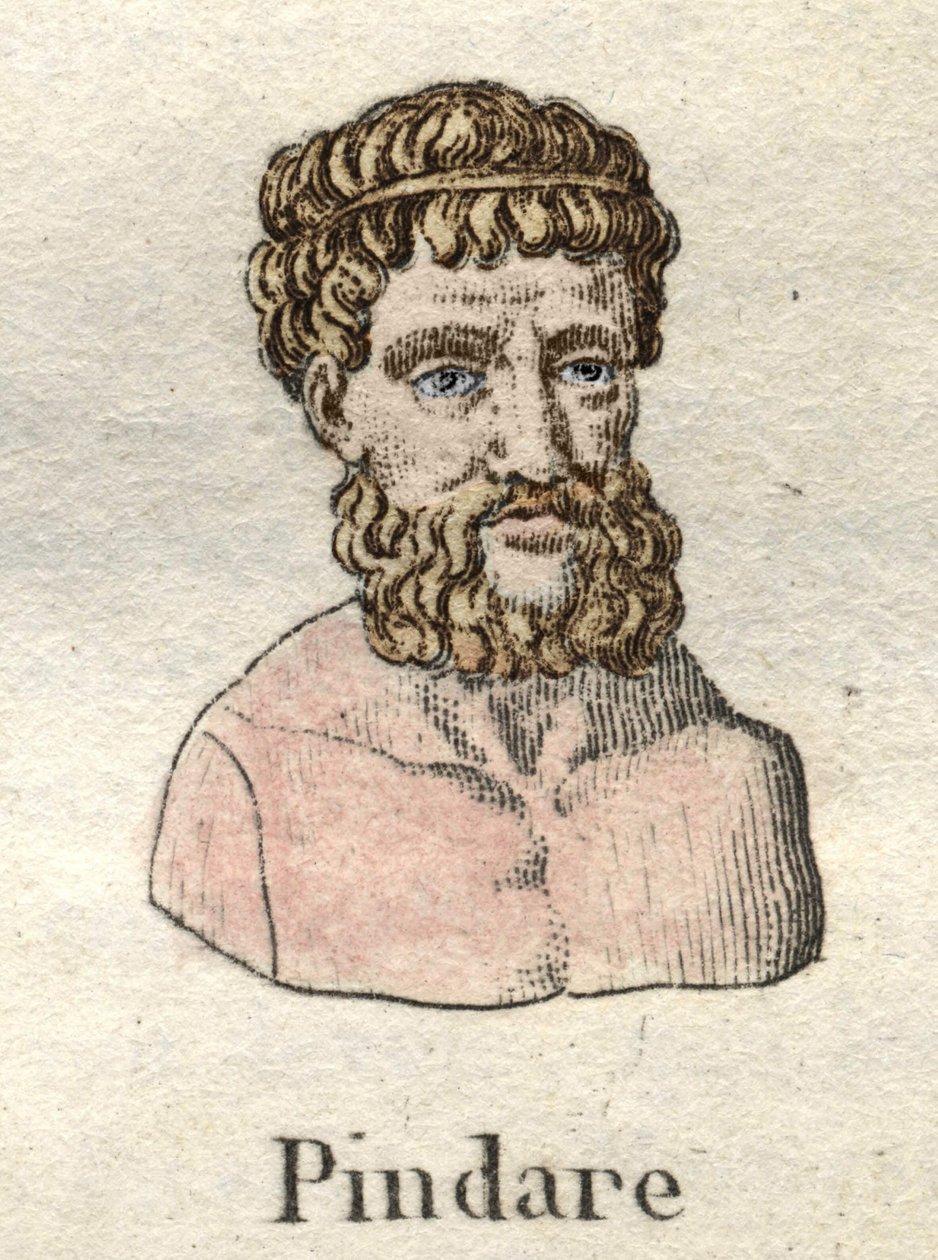
Classics · Essay
“Money Makes the Man”: Pindar’s Poetic Persona and the Politics of the AristocracyPindar’s victory odes do more than just praise their laudandus: they reinforce the very power systems that maintain the demand for his poetry.
Holly Mia Garside
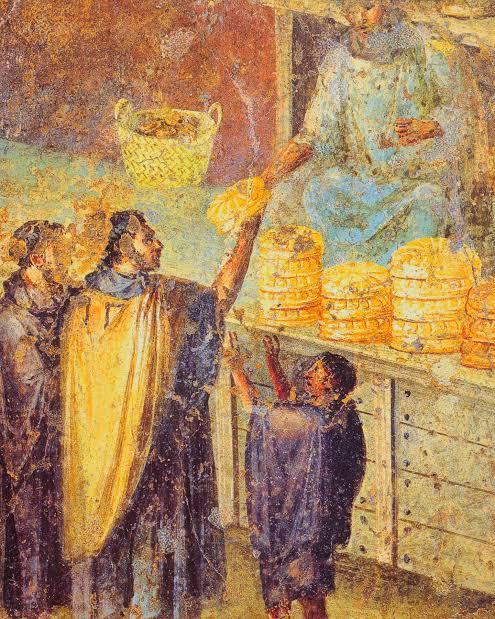
Classics · Essay
The Pompeian Businesswoman: Julia Felix and Women in the Roman EconomyA painted notice on a Pompeian wall names one landlord, and she is a woman. What Julia Felix's baths, shops and frescoes reveal about women in the Roman economy.
Charley Clasby
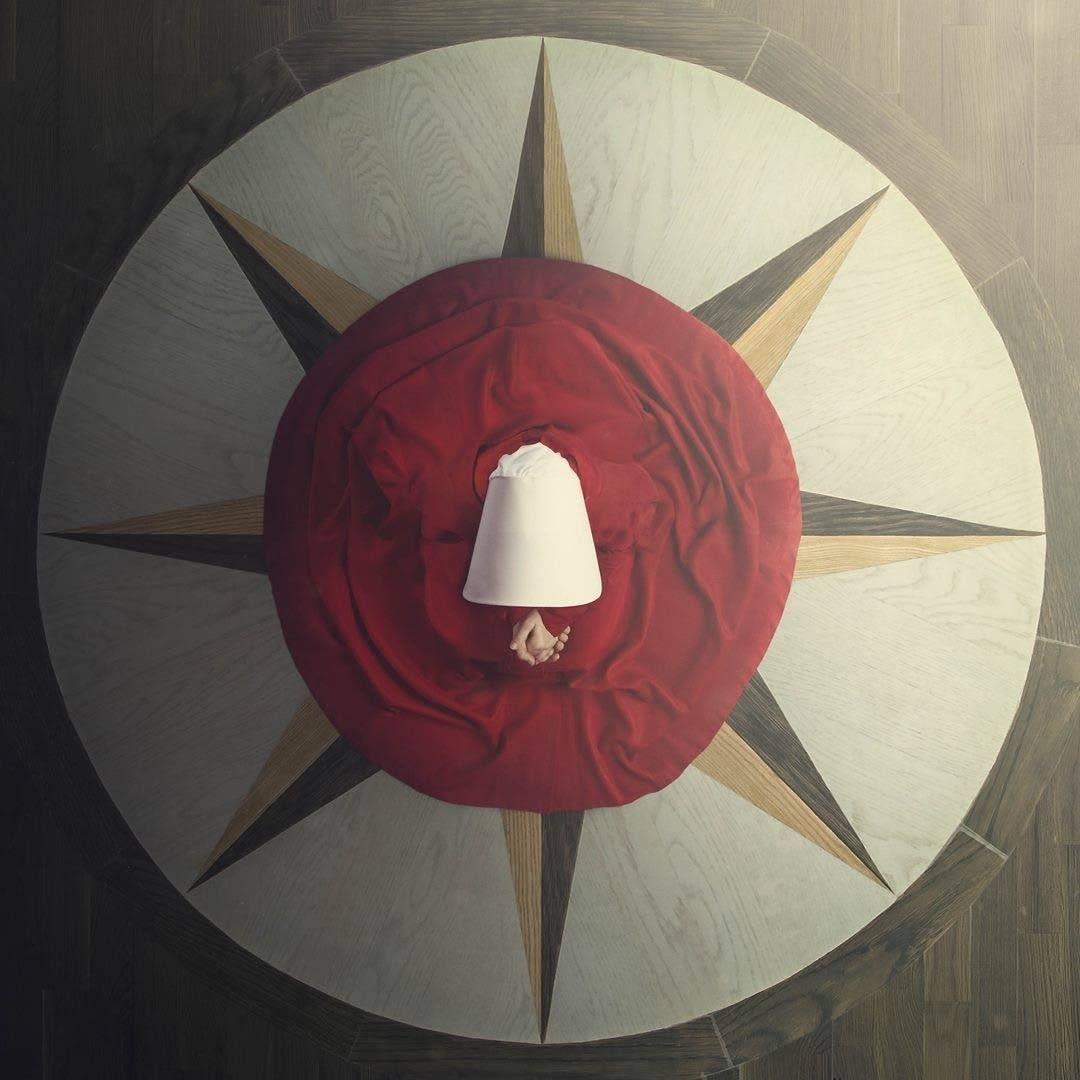
Literature · Essay
Under His Eye: Surveillance, Religion, and Control in The Handmaid's TaleThrough Foucault's Panopticon, how Gilead fuses religious doctrine and constant surveillance to make fertile women their own sentries.
Evan Rogers
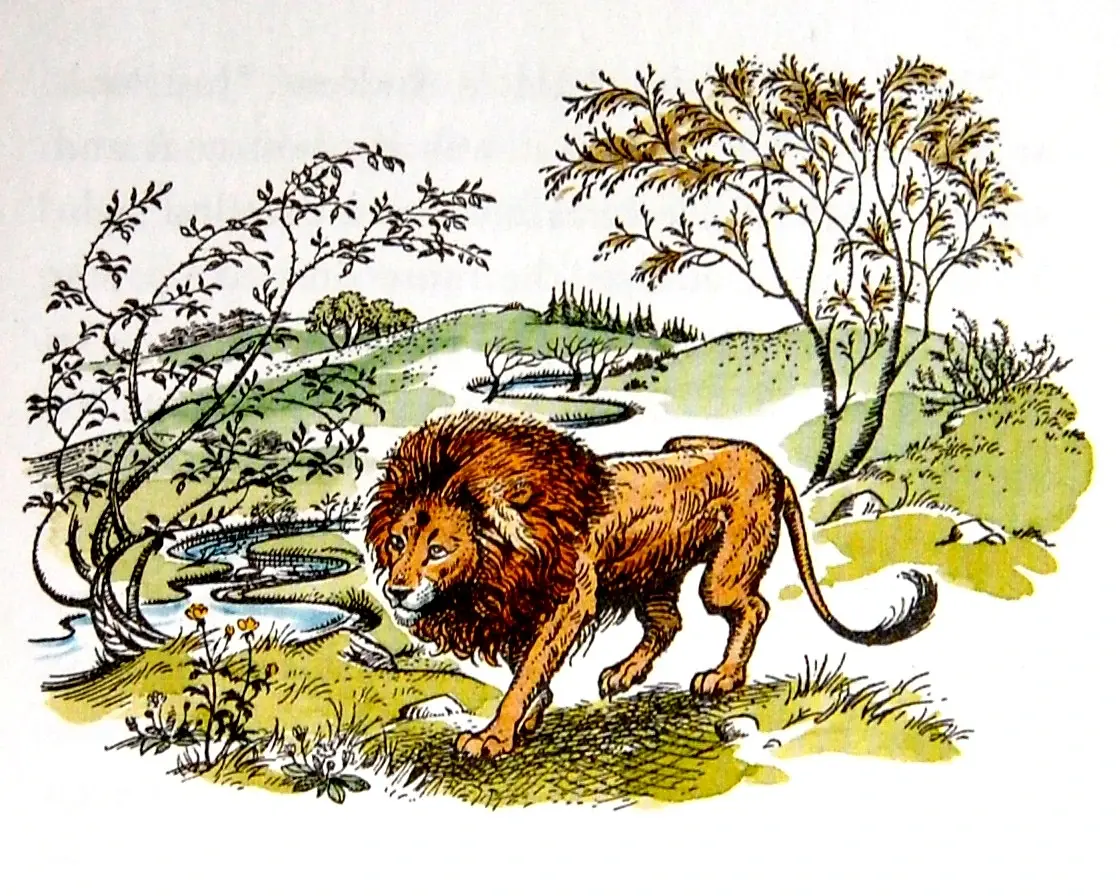
Literature · Essay
The Other Lion: Aslan, the Incarnation and "Us Lions"How Lewis' unnamed side character displays Christ's condescension.
R.C. Horton
Literature · Poetry
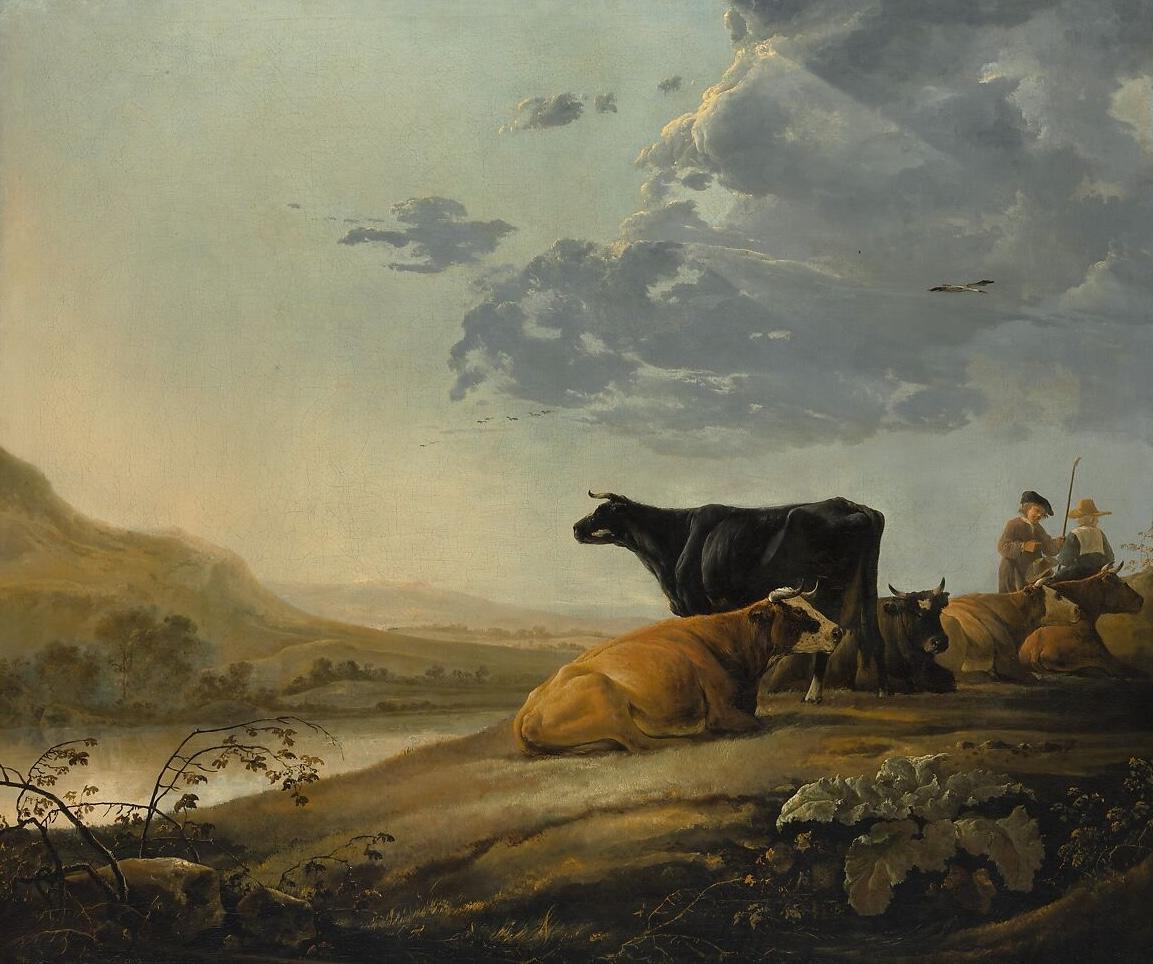
Cædmon's ChronicleA cowherd at Whitby slips out of the feast before the harp reaches him. What happens in the cattle byre that night is where English poetry begins.
Alexander Birch