

The Weekly · Issue No. 13 · Monday, 2 November 2026
Issue No. 13
Submissions for the Winter 2026 Quarterly have closed, and the contents of our founding issue are now settled. Twelve pieces will appear in print in early 2027:
1. Holly Mia Garside, “Cultivating Desire: Human Nature and the Natural World in Medieval Literature” 2. Elliot Crenol, “‘High-Minded’ in a Hegemony: Sustaining Matriarchy in Sons and Lovers and A Raisin in the Sun” 3. Edward Clark, “Was John Ruskin Fair to Reject Early Christian Socialism Given His Own Beliefs?” 4. Archie Duke, “Birds in Roman Mythology: The Case of Romulus and Remus’ Vultures, the Capitoline Geese, and Pulcher’s Sacred Chickens” 5. Denis Riley Morine, “Swan Song of Delphi: Speaking Water, Silenced Voices” 6. Ishanvi Gunnowree, “The Oriental Woman in the Harem: Melling and Eviner” 7. Alex Boyd, “Vocabulary as a Vehicle for Meaning in Saint Erkenwald and In a Thestri Stude Y Stod” 8. Yoana Nikolova, “Written to Belong: Genre and the Greek Colonial Imagination” 9. Gabriel Ward, “Fortifying Idealism: R. G. Collingwood and Michael Oakeshott on Historical Understanding” 10. Aneirin Sprake-Harris, “The Swell” 11. Joseph Fleming, “Moral Economy and Selective Intervention: Responses to Unemployment and Industrial Strategy in Derbyshire in the Thatcher Era” 12. Jacob Benjamin Haddo, “In the Beginning Was the Logos: How Stoic Is the Prologue of John?”
Our thanks to everyone who submitted. Below are four pieces from last week.
Hector Hallett, Founder & Editor-in-Chief

Literature · Poetry
Does the Land Remember?Can the sacred be remembered by a land drenched in blood?
Aneirin Sprake-Harris

Politics · Essay
Are We Really More Politically Divided, or Have We Just Become Better at Seeing Our Differences?Social media makes Britain seem more politically divided than ever. But are our views really growing further apart, or are we simply seeing more of the disagreements that have always existed?
Diya Boparai
Classics · Poetry
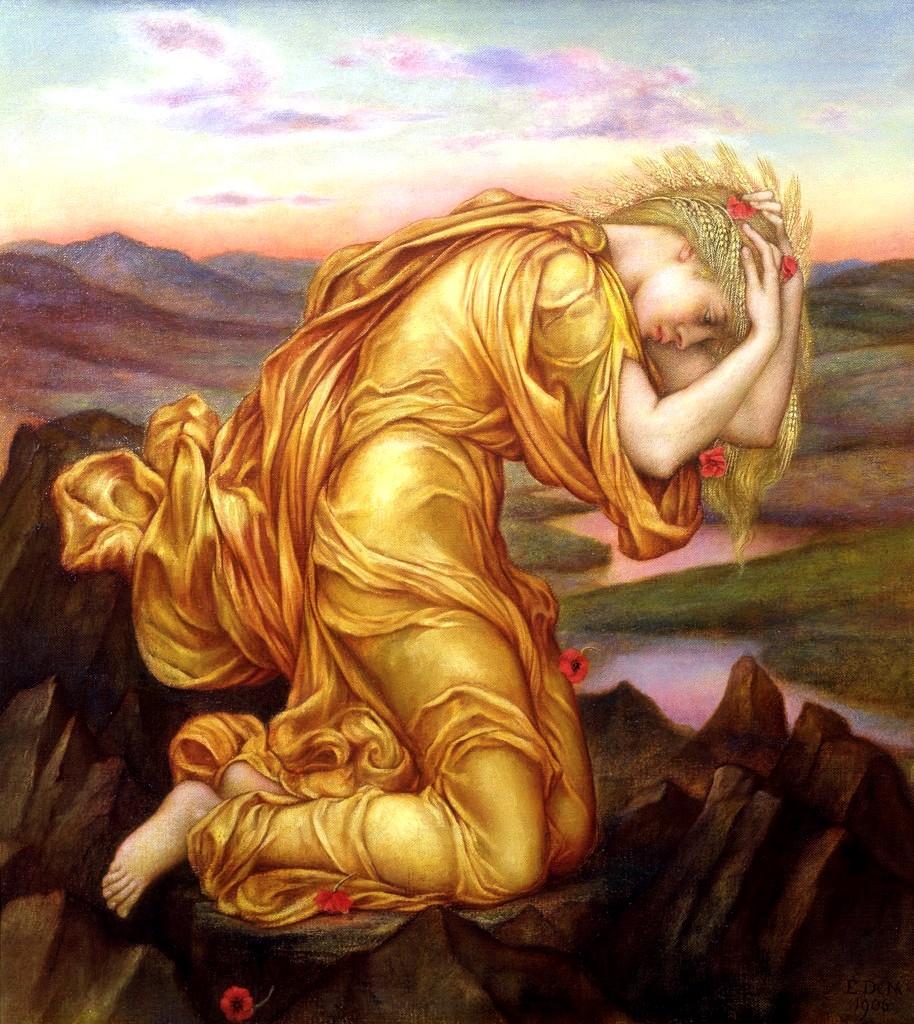
Six Red MonthsA poem on Persephone, and the tenderness and acceptance that comes after grief settles in.
Yoana Nikolova
Philosophy · Essay
The Anxiety of Death: A Force in Historical ProgressFrom the medieval chantry to the plague quarantine, the fear of death has shaped the institutions that outlive us. This essay asks what would drive history forward if that fear were ever overcome.
Rajat Kanti Satpati