The Weekly · Issue No. 16 · Sunday, 22 November 2026
Issue No. 16
A lecture on how Shelley breaks the sonnet in “Ozymandias”, an essay on what British and Australian politicians can learn from one another, and a Catholic reading of Disney’s Sleeping Beauty. In verse, Agave writes to the son she killed. In fiction, a sceptic walks into an art museum that is said to be alive.
The Winter Poetry Competition is open until Sunday 20 December. The theme is Winter in London: fog on the river, frost in the parks, lamps coming on at four, or any London winter you have known or imagined. One poem each, up to 150 lines, and entry is free. The winner will be printed in the Winter 2026 Quarterly, our first issue in print. Enter at theastyanax.com/poetry-prize.
We are building a team of Outreach Editors. Last week we asked for one, and the response persuaded us that the work is better shared. Outreach Editors find students and early-career writers whose work deserves readers, and invite them to submit. The role is voluntary and can be done from anywhere. If you would like to join the team, write a few lines about yourself to editor@theastyanax.com.
Hector Hallett, Founder & Editor-in-Chief
Literature · Lecture
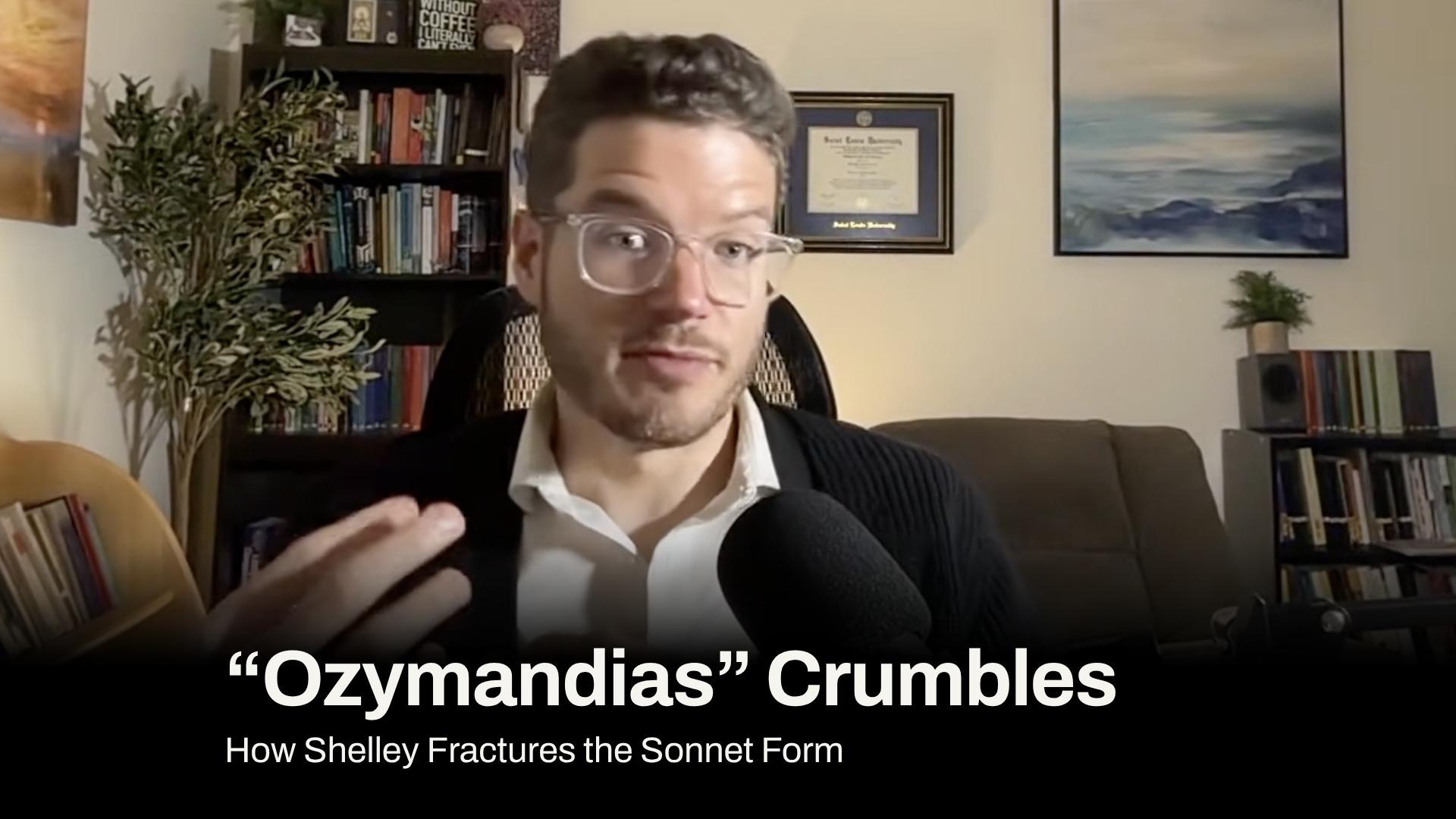
“Ozymandias” Crumbles: How Shelley Fractures the Sonnet FormShelley’s sonnet holds its shape for five lines and then breaks, like the statue it describes.
Timothy Keeley
Politics · Essay
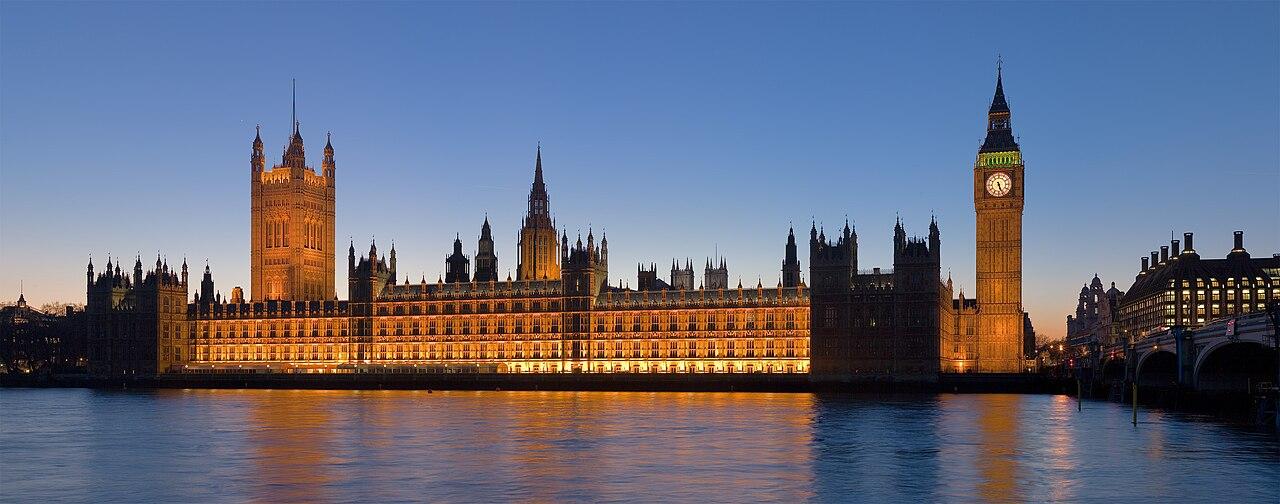
Carbon Copies: What British and Australian Politicians Can Learn from Each OtherBritain and Australia share a culture and, increasingly, a cast of political characters. That makes each country a testing ground for the other.
Dillon Kavanagh
Philosophy · Essay
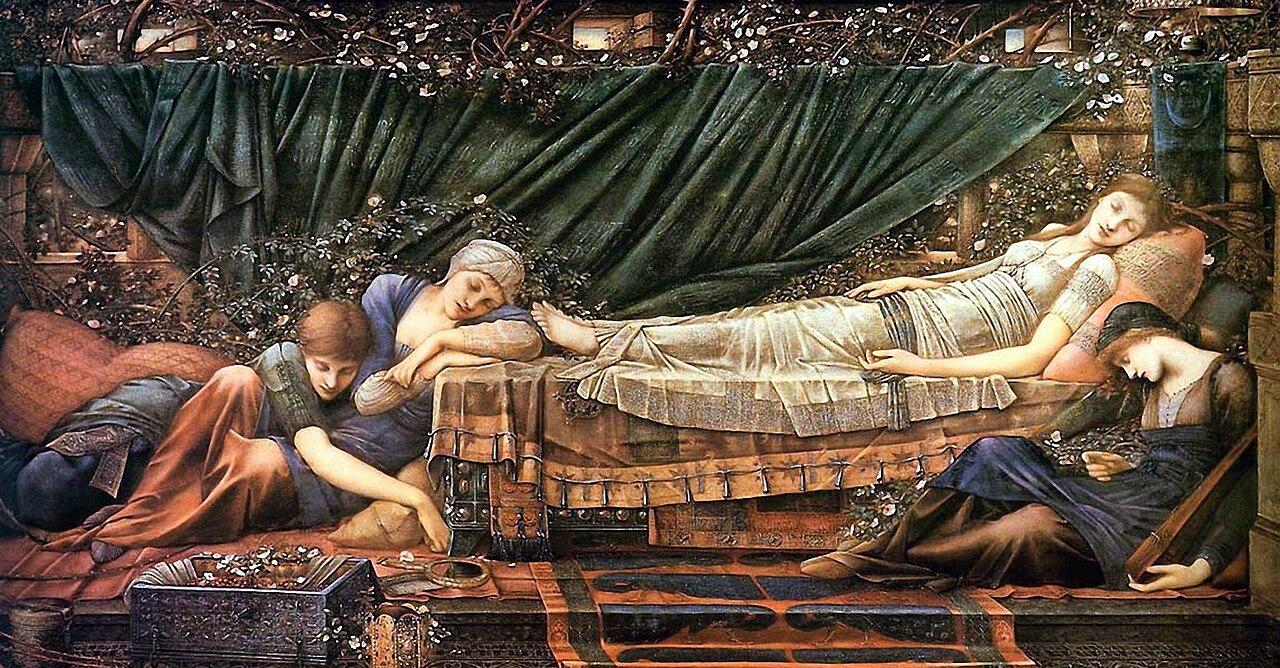
Once Upon a Dream: On the Allegorical Nature of Disney’s Sleeping BeautySleeping Beauty is not just a story about good and evil, but about love and death, and the triumph of love over death
Anthony J Kleem
Classics · Poetry
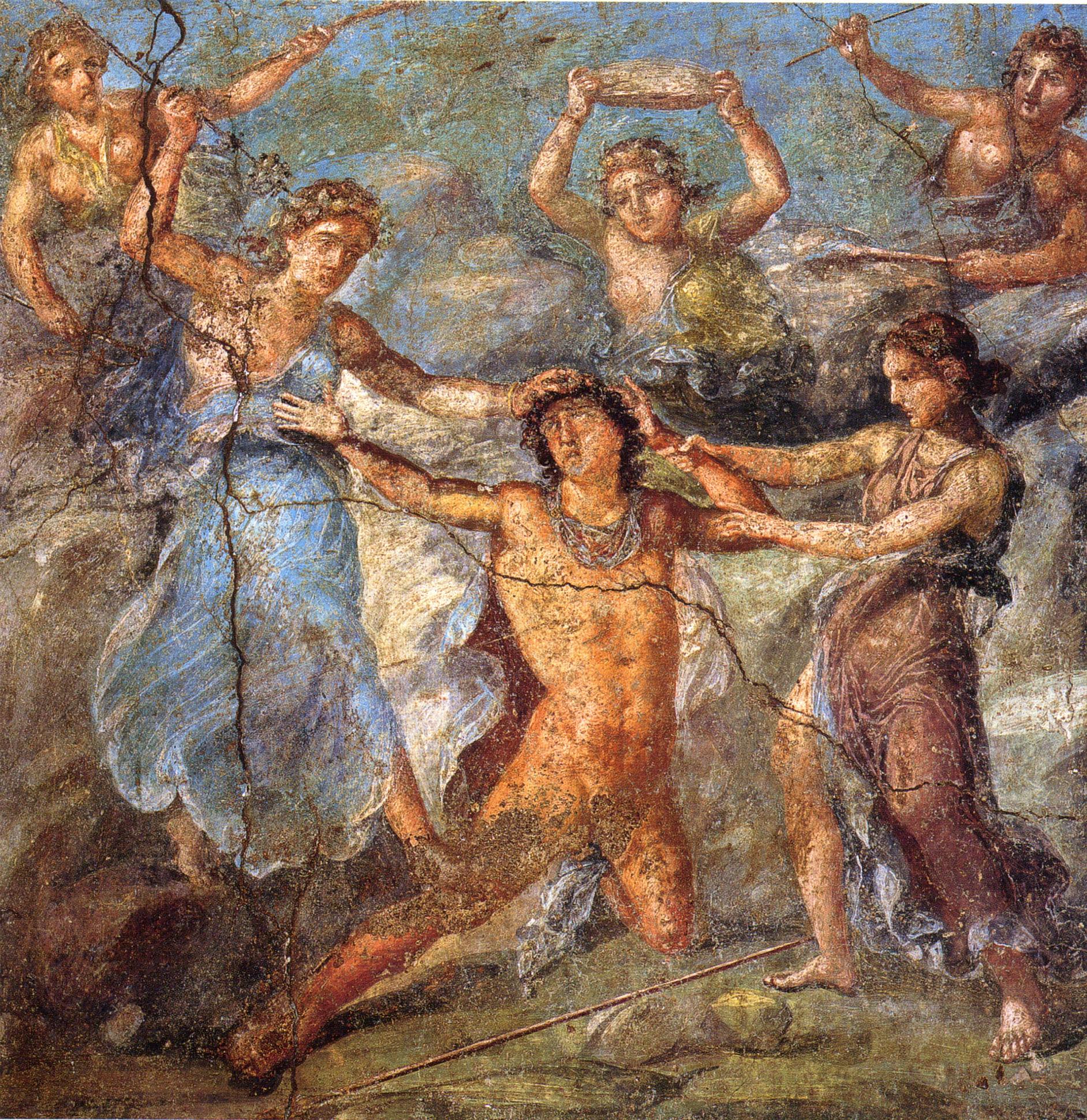
Lamenting the Lion CubAgave’s lament for Pentheus, her son, whom she killed on the slopes of Mount Cithaeron.
Em Miles